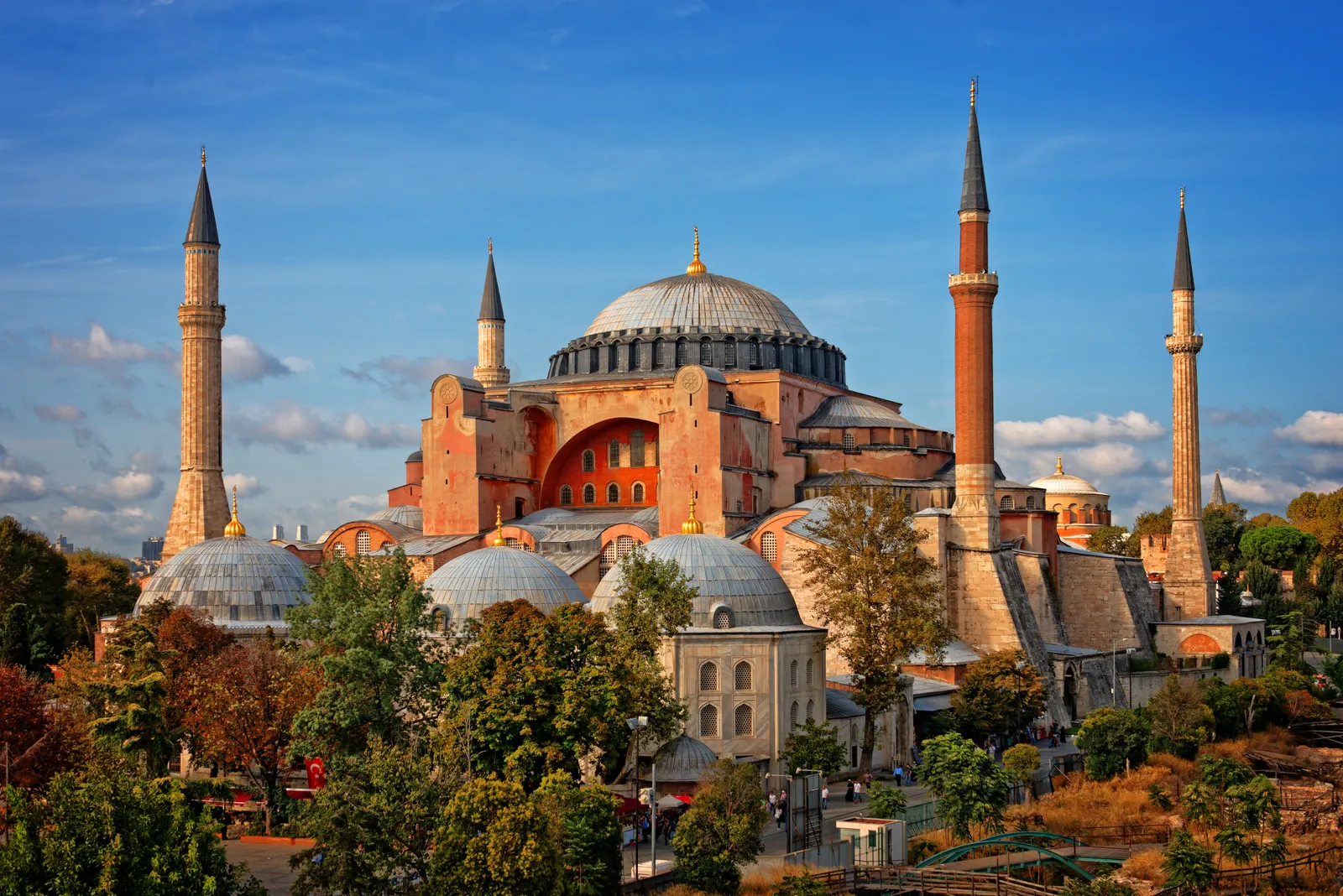
Imagine standing on a hill overlooking the Bosphorus, where the sun dips low and paints the minarets in golden hues. That’s İstanbul for you—a city that whispers tales of emperors and sultans through every cobblestone street. I’ve wandered these paths myself, feeling the weight of history like an old friend sharing secrets over çay. From the grandeur of ancient basilicas to the opulent palaces that once housed rulers of vast empires, İstanbul’s imperial charm isn’t just about the past; it’s a living, breathing essence that pulls you in and refuses to let go. This article dives deep into that allure, blending stories, facts, and practical tips to help you experience it firsthand.
What is the Imperial Charm of İstanbul?
At its core, İstanbul’s imperial charm stems from its role as the heart of two mighty empires: the Byzantine and the Ottoman. Once known as Constantinople, it was the glittering capital of the Eastern Roman Empire, a beacon of Christianity and classical learning. Then came the Ottomans in 1453, transforming it into a hub of Islamic culture, trade, and power that stretched across three continents.
This charm isn’t static—it’s the fusion of soaring domes, intricate mosaics, and bustling bazaars that tell a story of conquest, culture, and resilience. Picture the Hagia Sophia, a structure that has been a church, a mosque, and now a symbol of shared heritage. It’s this layered history that makes every visit feel like peeling back pages of a grand epic.
Tracing the Byzantine Legacy in İstanbul
The Byzantine era, spanning over a millennium, left an indelible mark on İstanbul, turning it from a modest Greek colony into the “New Rome.” Emperors like Constantine and Justinian envisioned a city of unmatched splendor, with fortifications and churches that still stand as testaments to their ambition. Walking through these sites today, you can’t help but feel a connection to that ancient world.
Iconic Byzantine Landmarks
Hagia Sophia stands as the crown jewel, its massive dome defying gravity since 537 AD. I recall my first visit there; the sheer scale made me pause, imagining the crowds that once filled it during imperial ceremonies. Nearby, the Theodosian Walls stretch like ancient guardians, having withstood sieges for centuries.
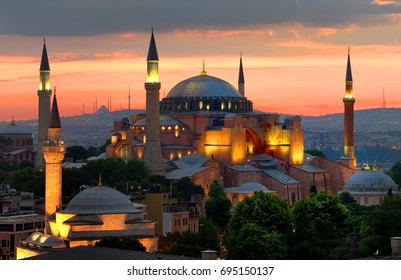
Illuminated Hagia Sophia Beautiful Sunset Istanbul Stock Photo …
Hidden Byzantine Gems
Beyond the obvious, places like the Chora Church (now Kariye Mosque) hide stunning mosaics depicting biblical scenes in vivid detail. These frescoes, from the 14th century, offer a glimpse into the Renaissance-like revival before the empire’s fall. Don’t miss the Basilica Cistern, an underground marvel with eerie columns rising from still waters—it’s like stepping into a forgotten underworld.
The Ottoman Empire’s Enduring Influence
When Mehmed the Conqueror took the city in 1453, he didn’t destroy the Byzantine foundations; he built upon them, infusing Ottoman elegance. Sultans like Süleyman the Magnificent expanded İstanbul into a cosmopolitan powerhouse, with palaces, mosques, and markets that reflected their global reach. This era’s charm lies in its blend of grandeur and everyday life.
Majestic Ottoman Palaces
Topkapı Palace, perched on a promontory overlooking the Bosphorus, was the sultans’ residence for nearly 400 years. Wandering its courtyards and harem quarters, I felt like an intruder in a world of intrigue and luxury—think jewel-encrusted daggers and silk-clad courtiers. The views from its gardens are unbeatable, especially at sunset when the strait shimmers below.
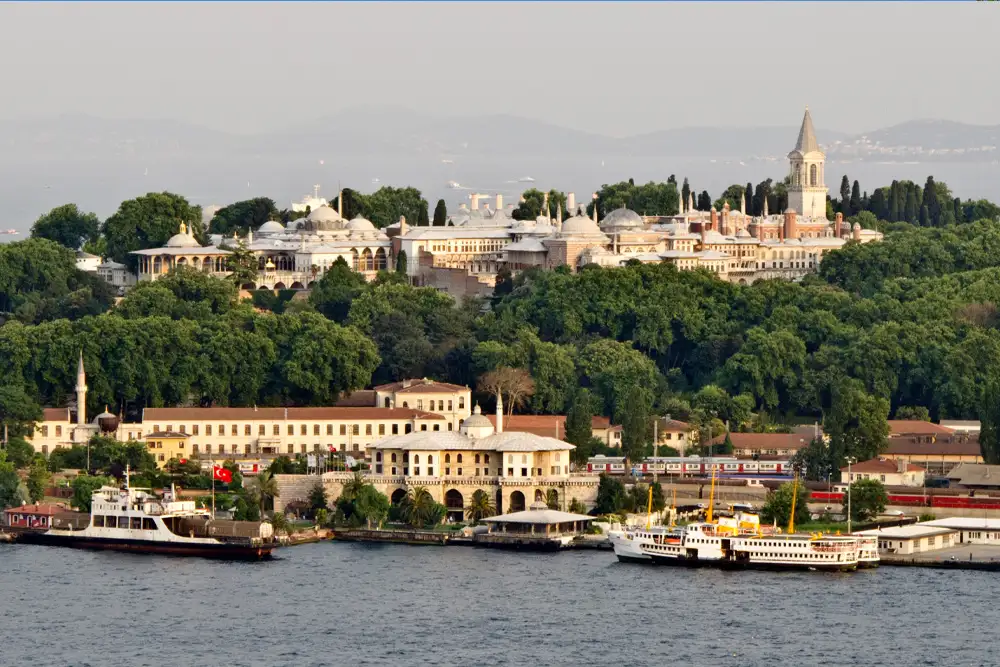
The Essential Guide To Visiting Topkapi Palace in 2025
Ottoman Architectural Wonders
The Blue Mosque, with its cascade of domes and six slender minarets, dominates the skyline. Inside, over 20,000 blue tiles create a serene, almost ethereal atmosphere—perfect for a quiet moment amid the city’s hustle. Then there’s the Süleymaniye Mosque, a masterpiece by architect Sinan, where simplicity meets majesty in harmonious proportions.
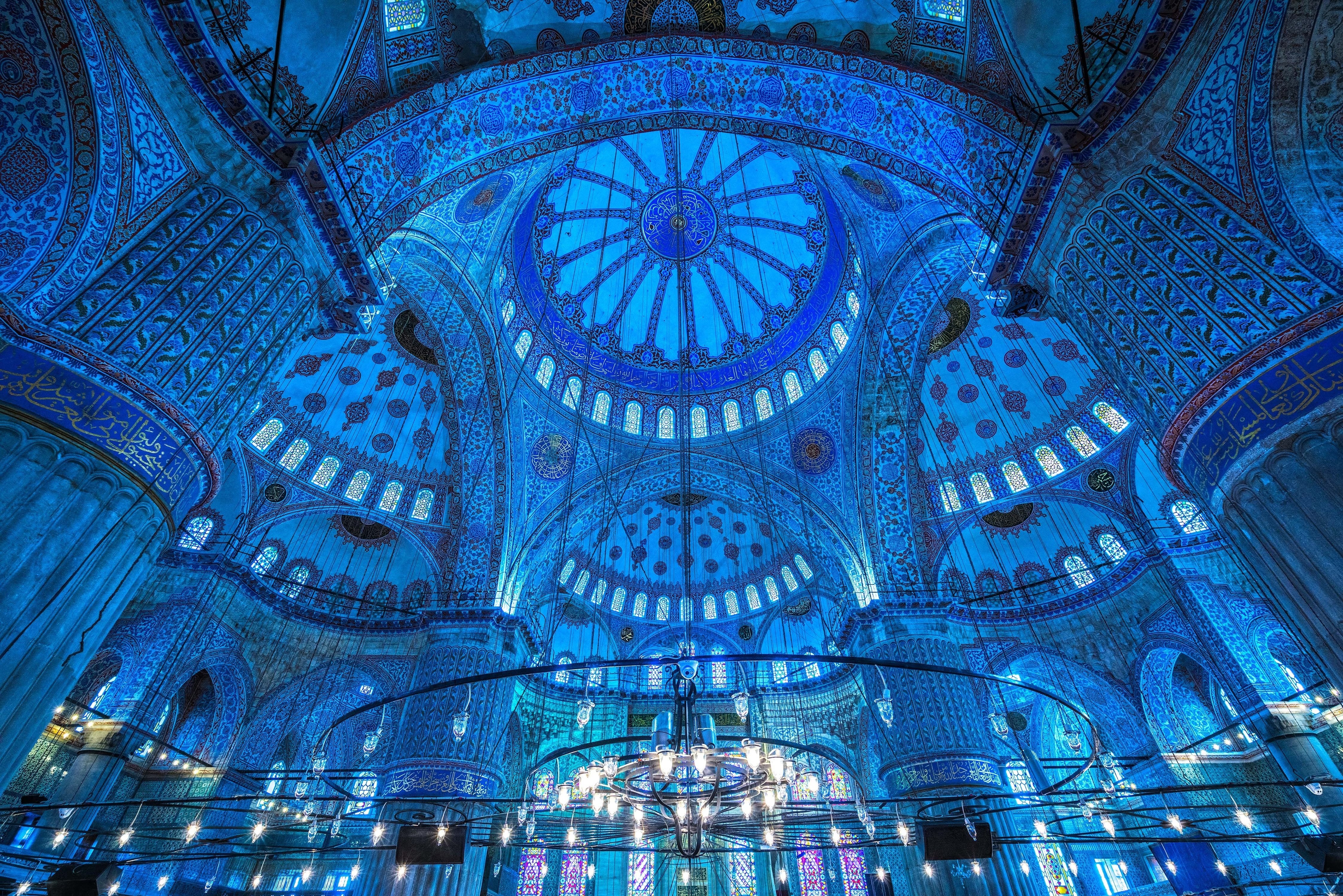
Exploring the Blue Mosque: A Journey Through History and Culture
Navigating İstanbul’s Historical Sites: Where to Go
Planning a trip? Start in the Historic Peninsula, a UNESCO World Heritage site packed with imperial relics. From Sultanahmet Square—the ancient Hippodrome—to the winding streets of Eminönü, every corner offers a portal to the past. For a full immersion, join a guided walking tour; they’re invaluable for skipping lines and hearing insider stories.
Must-Visit Sites for Byzantine Enthusiasts
Focus on the Hagia Sophia and nearby Hagia Irene for a deep dive into early Christian architecture. The Great Palace Mosaics Museum reveals everyday Byzantine life through intricate floor art. If you’re adventurous, hike along the city walls for panoramic views and a sense of the empire’s defenses.
Top Ottoman Spots to Explore
Head to Topkapı for royal opulence, then stroll to the Grand Bazaar for a taste of Ottoman commerce. This covered market, dating back to 1461, is a labyrinth of shops selling everything from spices to carpets—haggle like a pro, and you might snag a deal.
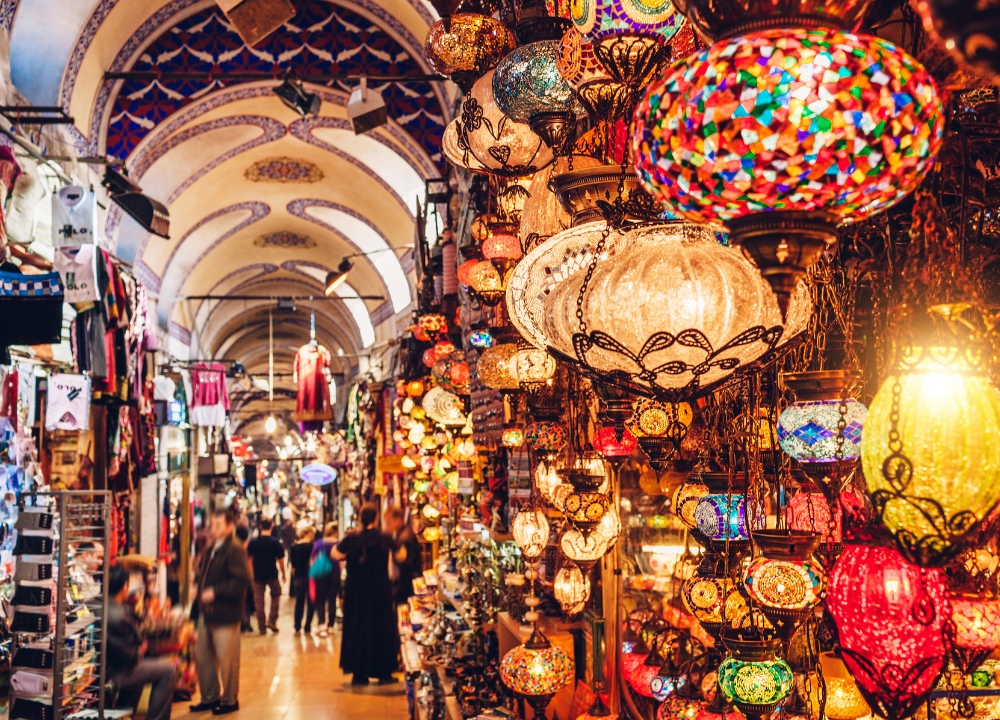
The Grand Bazaar: Istanbul’s Timeless Shopping Haven | Deraliye …
Comparing Byzantine and Ottoman Architecture
Byzantine structures emphasize spiritual awe with massive domes and golden mosaics, while Ottoman designs incorporate Islamic elements like calligraphy and geometric patterns. Both share a love for grandeur, but Byzantines focused on fortification, Ottomans on harmony with nature.
| Aspect | Byzantine Architecture | Ottoman Architecture |
|---|---|---|
| Key Features | Domes, mosaics, thick walls | Minarets, tiles, courtyards |
| Famous Examples | Hagia Sophia, City Walls | Blue Mosque, Topkapı Palace |
| Influence | Roman and Greek roots | Persian and Islamic styles |
| Purpose | Religious and defensive | Imperial and communal |
This table highlights how each era built on the last, creating İstanbul’s unique skyline.
Pros and Cons of Visiting İstanbul’s Imperial Sites
Pros include the sheer variety— from free-entry mosques to ticketed palaces— and the emotional impact of standing where history unfolded. Cons? Crowds can be overwhelming, especially in summer, and entry fees add up quickly.
- Pros:
- Immersive history lessons at every turn.
- Stunning photo opportunities.
- Affordable street food nearby for breaks.
- Cons:
- Long queues without skip-the-line tickets.
- Physical demands of walking hilly terrain.
- Variable weather affecting outdoor sites.
Experiencing the Imperial Charm Through Modern Lenses
Today, İstanbul’s charm extends beyond ruins; it’s in the Bosphorus cruises that offer views of both continents. I once took a sunset boat ride, watching palaces glow as ferries zipped by—it felt like time travel. For transactional vibes, book the best tours via sites like GetYourGuide for seamless experiences.

Golden Horizons: The Magic of a Sunset Cruise – Bosphorus Sunset …
Best Tools for Planning Your Trip
Apps like Istanbul City Guide help navigate, while Viator offers curated tours focusing on imperial themes. For accommodations, consider staying in Sultanahmet for easy access—hotels like the Four Seasons blend modern luxury with historic views.
People Also Ask: Common Questions About İstanbul’s Imperial Charm
Drawing from real Google searches, here are answers to what folks often wonder.
What is İstanbul historically known as?
Formerly Byzantium and then Constantinople, it was renamed İstanbul in 1930, reflecting its evolution from Greek colony to imperial capital.
Why is İstanbul important in history?
As the bridge between East and West, it was the capital of the Roman, Byzantine, and Ottoman Empires, influencing trade, religion, and culture for millennia.
What are the best historical sites in İstanbul?
Top picks include Hagia Sophia, Topkapı Palace, Blue Mosque, and the Grand Bazaar—each showcasing layers of imperial history.
How has İstanbul’s history been influenced by different empires?
The Byzantines brought Christian architecture and defenses, while Ottomans added Islamic mosques and palaces, creating a multicultural tapestry.
Personal Stories: My Encounters with İstanbul’s Past
Years ago, on a crisp autumn day, I got lost in the Grand Bazaar. What started as a quick browse turned into hours of chatting with vendors over apple tea, hearing tales of Ottoman traders. It reminded me how history isn’t just in museums—it’s in the people. Another time, at Topkapı, I imagined sultans plotting in the harem; the intrigue felt palpable, adding a thrill to the visit. These moments make the imperial charm personal, turning facts into feelings.
Light humor creeps in too—like when I tried bargaining for a lamp and ended up with a “free” tea set I didn’t need. But that’s İstanbul: charmingly persuasive. Emotionally, standing in Hagia Sophia brought tears; its resilience mirrors the city’s own, surviving earthquakes, conquests, and time.
Informational Insights: What Defines Imperial Charm?
Imperial charm is the aura of power and beauty from empires past. In İstanbul, it’s the blend of Byzantine spiritual depth and Ottoman worldly splendor. For more, check UNESCO’s page on Historic Areas of İstanbul or our internal guide to Byzantine remnants.
Navigational Tips: Where to Get the Best Experiences
Head to Sultanahmet for core sites; for off-beat spots, venture to Zeyrek or Galata. Public transport like trams makes it easy—grab an Istanbulkart for seamless rides.
Transactional Advice: Best Tools and Tours for Imperial Exploration
Opt for skip-the-line tickets via Tiqets to avoid waits. Best tours? Private Byzantine-Ottoman walks on Viator, around €50-100, including expert guides who bring stories alive.
FAQ
What makes İstanbul’s imperial charm unique?
It’s the seamless mix of Byzantine and Ottoman elements, creating a city where East meets West in architecture, culture, and vibe.
When is the best time to visit historical sites in İstanbul?
Spring (April-May) or fall (September-October) for mild weather and fewer crowds—avoid summer heat and winter chills.
Are there free historical sites in İstanbul?
Yes, mosques like the Blue and Süleymaniye are free, though donations are appreciated. Palaces require tickets, around €20-30.
How can I avoid crowds at popular sites?
Visit early morning or late afternoon; book online tickets in advance for places like Topkapı.
What should I read to prepare for a trip?
Orhan Pamuk’s “Istanbul: Memories and the City” captures the soulful side, blending personal memoir with historical insight.
İstanbul’s imperial charm isn’t just sights—it’s an invitation to connect with history on a human level. Whether you’re marveling at a mosaic or sipping çay by the strait, the city leaves an imprint. Plan your visit, and let it enchant you as it has me.