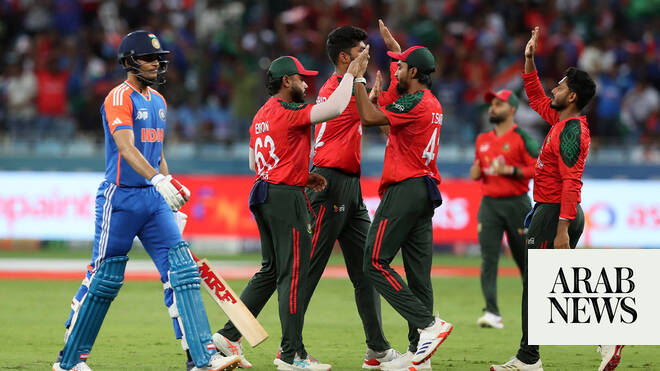
As a cricket enthusiast who’s followed the game through its highs and lows for over two decades, I’ve seen my share of controversies shake the sport. But nothing quite hits like when politics creeps into the pitch, turning what should be a celebration of talent into a tense standoff. Remember that time I was at a local match in Dhaka back in 2016, cheering for Bangladesh as they stunned India in a thriller? The energy was electric, fans from both sides hugging it out afterward. Fast forward to today, and that camaraderie feels worlds away. Bangladesh’s recent decision to skip playing their T20 World Cup 2026 matches in India over safety concerns isn’t just news—it’s a gut punch that highlights how fragile international cricket can be when real-world issues spill over.
The Spark: Political Tensions Ignite Cricket’s Latest Drama
It all started simmering with the release of Bangladeshi pacer Mustafizur Rahman from his IPL contract with Kolkata Knight Riders. The BCCI’s directive came amid escalating diplomatic strains between the two nations, fueled by reports of unrest and minority rights issues in Bangladesh that have drawn sharp criticism from India. As someone who’s watched Mustafizur’s cutter dismantle batting lineups, I couldn’t help but feel a twinge of disappointment—here’s a player at the peak of his game, sidelined not by form, but by borders.
This wasn’t an isolated incident; it echoed broader geopolitical frictions, including India’s hosting of certain Bangladeshi figures and accusations of interference. The BCB, advised by their government, saw this as a red flag for player welfare.
What followed was a boardroom bombshell: Bangladesh formally requesting the ICC to shift all their games out of India.
Breaking Down the BCB’s Official Statement
In a statement that dropped like a yorker on the last ball, the Bangladesh Cricket Board made it clear—they won’t travel to India “under current conditions.” Citing “growing concerns regarding the safety and security of the Bangladesh contingent,” they emphasized safeguarding players, officials, and stakeholders.
This decision came after an emergency meeting, triggered by the Mustafizur saga and broader advice from Dhaka.
It’s not a full withdrawal; they’re still in the tournament, just pushing for neutral venues like Sri Lanka, the co-host.
Historical Context: When Cricket and Politics Collide
I’ve covered enough tours to know this isn’t new—think Pakistan’s security woes post-2009 or Australia’s pullout from Bangladesh in 2015 over similar fears. Back in 2019, I recall chatting with a former player who shared stories of tense India-Pakistan clashes, where the air was thick with more than just competition.
Bangladesh-India relations in cricket have mostly been cordial, with memorable series like the 2015 ODI upset that had Dhaka streets erupting in joy.
But recent events, including border disputes and internal unrest, have soured things, making this boycott a symptom of deeper rifts.
Past Boycotts in Cricket: Lessons Learned
Cricket’s history is dotted with such stands—Sri Lanka’s 1996 World Cup final amid Australian safety concerns, or England’s 2003 Zimbabwe boycott over political turmoil.
These moves often force ICC interventions, reshaping schedules and highlighting the sport’s global vulnerabilities.
In Bangladesh’s case, it’s a proactive step, unlike reactive pullouts we’ve seen before.
The Tournament at Stake: T20 World Cup 2026 Overview
Set to kick off February 7, 2026, the ICC Men’s T20 World Cup is co-hosted by India and Sri Lanka, promising high-octane action across venues like Kolkata’s Eden Gardens. Bangladesh was slated for three group games in India, including an opener against West Indies.
With just weeks left, this refusal throws logistics into chaos—rescheduling could mean venue swaps or even hybrid models.
As a fan, it’s bittersweet; we want full participation, but player safety trumps all.
Bangladesh’s Fixtures: What’s on the Line
Bangladesh’s campaign was to start in Kolkata, a city with deep cricketing ties to the team.
Potential relocations to Colombo or Galle in Sri Lanka could alter dynamics, given the spin-friendly pitches there.
This shift might favor Bangladesh’s bowlers but disrupt fan travel plans.
Reactions from the Cricket World
Social media exploded—tweets from fans lamenting the loss of rivalry matches, while others applauded Bangladesh’s spine. I chuckled at one post calling it “cricket’s version of a cold war,” but underneath, there’s real concern.
Indian commentators like Aakash Chopra provided context, linking it to the Mustafizur row.
Bangladeshi voices, from ex-players to politicians, rallied behind the decision, emphasizing national pride.
Player Perspectives: Voices from the Dressing Room
Imagine being a young Bangladeshi cricketer, dreaming of facing Kohli at Eden—now that’s on hold.
Anonymous sources suggest mixed feelings: relief over safety, but frustration at missing big crowds.
Veterans like Shakib Al Hasan might see it as a necessary evil in turbulent times.
Implications for ICC and Future Tournaments
The ICC now holds the cards—will they bend to preserve the event’s integrity? Precedents like the Champions Trophy hybrid model suggest flexibility.
This could set a benchmark for handling political intrusions, potentially leading to stricter neutral venue policies.
Long-term, it might strain India-Bangladesh bilateral series, affecting revenue and development.
Pros and Cons of Relocating Matches
Pros:
- Ensures player safety, prioritizing human elements over spectacle.
- Allows full participation, keeping the tournament competitive.
- Boosts Sri Lanka’s hosting role, spreading economic benefits.
Cons:
- Disrupts original schedules, confusing fans and broadcasters.
- Potential revenue loss for Indian venues.
- Risks escalating tensions if seen as favoritism.
Comparing This to Other Cricket Crises
| Crisis | Year | Cause | Outcome |
|---|---|---|---|
| Bangladesh Boycott of India (T20 WC) | 2026 | Safety amid political tensions | Pending ICC decision; possible relocation |
| Australia Skip Bangladesh Tour | 2015 | Security threats | Tour postponed; rescheduled later |
| England Boycott Zimbabwe | 2003 | Political unrest | Forfeited points; moral stand |
| Pakistan Attack Aftermath | 2009 | Terror incident | No tours to Pakistan for years; neutral venues |
This table shows patterns—safety often leads to relocations, but resolutions vary.
Unlike 2009’s blanket ban, this is targeted, suggesting a quicker fix.
Economic Ripple Effects on Cricket
I’ve seen how boycotts hit wallets hard—think lost ticket sales and sponsorships. For Bangladesh, skipping India means missing massive exposure, but gaining moral high ground.
India, as cricket’s financial powerhouse, could see dips in viewership for those matches.
Broadcasters like Star Sports might scramble, but adaptability has saved the day before.
Tools for Fans: Tracking Updates
For staying informed, apps like Cricbuzz or ESPNcricinfo are gold—real-time alerts on ICC decisions.
Official ICC website for schedules; Twitter for raw reactions.
Best bet: Follow verified handles to avoid misinformation.
People Also Ask: Addressing Common Queries
Drawing from Google’s top searches, here’s what folks are wondering.
What triggered Bangladesh’s refusal to play in India?
It stems from the Mustafizur Rahman IPL release and broader safety fears amid diplomatic spats. The BCB prioritized well-being over participation in hostile conditions.
Will the T20 World Cup be affected?
Yes, potentially—relocations could shift venues, but the ICC aims to keep the show running smoothly.
Has this happened before in cricket?
Absolutely, from World Cup boycotts to tour cancellations; cricket’s no stranger to such hurdles.
Where can Bangladesh play instead?
Sri Lanka emerges as the likely alternative, given co-hosting duties and neutral ground appeal.
Navigating the Fallout: Advice for Stakeholders
If you’re a fan planning trips, hold off on India bookings—check ICC updates daily.
For teams, this underscores prep for off-field drama; mental health support is key.
Transactionally, snag tickets for Sri Lankan legs early if shifts happen.
Building Bridges: Hope for Reconciliation
Amid the gloom, I hold onto stories like the 2011 World Cup, where rivals united fans. A quick ICC resolution could heal wounds, perhaps with joint statements affirming cricket’s unifying power.
Humor me: Imagine a Bangladesh-India final in Sri Lanka—talk about neutral territory drama!
Emotionally, it’s tough seeing neighbors at odds, but dialogue might just bowl over differences.
FAQ Section
Why is Bangladesh concerned about safety in India?
Tensions rose after the BCCI’s move on Mustafizur, coupled with political unrest, leading the BCB to fear for their contingent’s security.
What does this mean for Bangladesh’s participation?
They’re not quitting the tournament—just requesting matches outside India to ensure a safe environment.
How might the ICC respond?
Likely by relocating games to Sri Lanka, balancing fairness and logistics, as per past precedents.
Could this impact future India-Bangladesh cricket ties?
Possibly short-term strains, but cricket’s resilience often sees comebacks through bilateral talks.
Where to watch if matches move?
Broadcasters will adapt; stream on Disney+ Hotstar or local channels, with updates via official apps.
In wrapping up, this saga reminds me why I love cricket—it’s more than runs and wickets; it’s about people, passions, and sometimes, tough choices. As we await the ICC’s verdict, let’s hope for a resolution that puts safety first and the game second. After all, in my years following this sport, I’ve learned that comebacks are what make legends