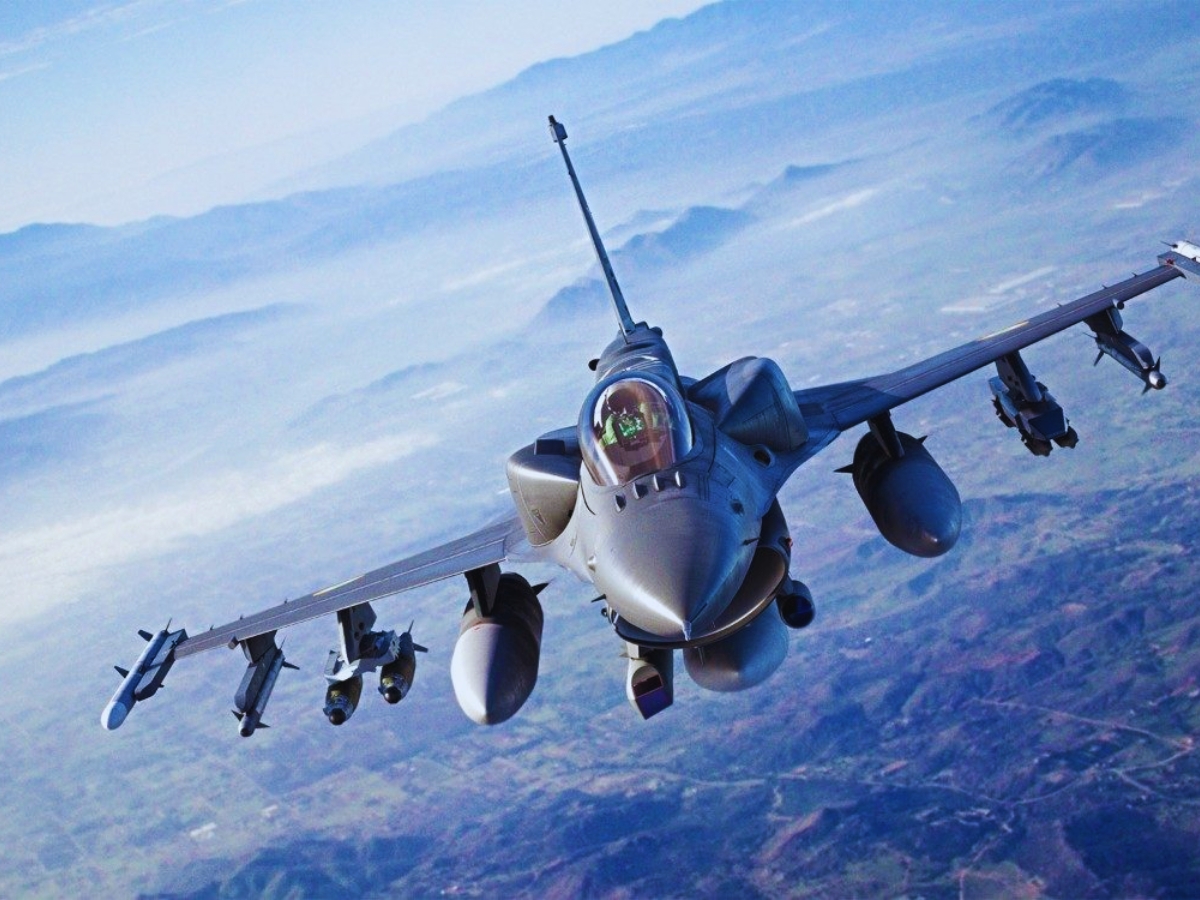
Picture this: It’s early December 2025, and I’m scrolling through my feed when news breaks about the US approving a hefty $686 million package for Pakistan’s F-16 jets. As someone who’s spent years diving into South Asian geopolitics—back in college, I even wrote a thesis on Indo-Pak arms races that kept me up nights with instant noodles and endless research—I couldn’t help but chuckle at the timing. Trump, fresh in his second term, slaps tariffs on India one month and boosts Pakistan’s air force the next. Coincidence? Or a not-so-subtle nudge? Let’s unpack this, step by step, like old friends chatting over chai about why the world’s biggest players keep stirring the pot in our neighborhood.
The Basics of the F-16 Upgrade Deal
At its core, this isn’t about selling shiny new jets—Pakistan already has around 70-80 F-16s in its fleet. It’s a sustainment and modernization package aimed at keeping those birds flying high until 2040. Think of it as giving an old car a turbo engine and fresh tires instead of buying a new one. The US Defense Security Cooperation Agency (DSCA) notified Congress on December 4, 2025, and unless lawmakers object within 30 days, it’s a done deal.
What’s Included in the Package?
The goodies list reads like a fighter pilot’s wishlist: 92 Link-16 tactical data link systems for real-time battlefield chatter, upgraded avionics for better navigation and targeting, cryptographic gear to keep comms secure from prying eyes, simulators for training without risking lives, and a bunch of spare parts and repairs. Oh, and six inert Mk-82 bomb bodies—just empty shells for practice, nothing explosive. Lockheed Martin is the main contractor, ensuring everything integrates smoothly.
Breaking Down the Costs
Out of the $686 million total, only $37 million covers “major defense equipment” like those Link-16 systems and bomb casings. The lion’s share—$649 million—goes to non-major items: software updates, logistical support, and ongoing maintenance. It’s not a blank check for new weapons; it’s more like extended warranty coverage. But in a region where every upgrade counts, this could mean Pakistan’s F-16s stay combat-ready longer, addressing “critical flight safety concerns” as the DSCA put it.
Historical Ties: US, Pakistan, and the F-16 Saga
I’ve always found the US-Pakistan relationship fascinating—it’s like that on-again, off-again couple everyone knows. Back in the 1980s, during the Soviet-Afghan War, the US supplied Pakistan with its first F-16s to counter communism. Fast-forward to post-9/11, and billions flowed in for counterterrorism, including F-16 upgrades. But ties soured under Trump 1.0, with aid freezes over accusations of harboring militants. Now, in 2025, we’re seeing a thaw: This follows a $450 million sustainment deal under Biden in 2022 and a $397 million package earlier this year. It’s continuity, but with Trump’s flair for deal-making.
Past Deals and Their Ripple Effects
Remember 2019? Pakistan allegedly used F-16s in a skirmish with India after the Pulwama attack, leading to a downed Indian MiG-21 and captured pilot. India claimed Pakistan violated end-use agreements by using the jets offensively. The US investigated but found no smoking gun. These upgrades? They echo that era, potentially enhancing Pakistan’s edge in similar face-offs.
Why F-16s Matter to Pakistan’s Air Force
Pakistan’s fleet includes older Block 15 models, ex-Jordanian birds, and modern Block 52+ variants. Without upgrades, they’d rust away. This package extends their life, boosts interoperability with US forces for joint ops, and signals Washington’s bet on Pakistan as a counterterrorism partner—despite Islamabad’s cozying up to China for over 80% of its arms since 2020.
The Shadow of Operation Sindoor
Ah, Operation Sindoor—the five-day flare-up in May 2025 that had the world holding its breath. I was glued to the TV, heart pounding, as reports came in. It started with a horrific attack in Pahalgam, Indian-administered Kashmir: On April 22, Pakistan-backed militants (linked to Lashkar-e-Taiba) stormed a tourist spot, asked victims their religion, and killed 26. India suspended the Indus Waters Treaty and launched missile strikes on nine terror sites in Pakistan and Pakistan-administered Kashmir. No ground troops crossed borders; it was all drones, missiles, and air skirmishes.
What Happened During Op Sindoor?
Pakistan deployed 42 high-tech aircraft, including F-16s, JF-17s (Chinese co-productions), and J-10s. India claims it downed several Pakistani jets, though Islamabad denies losses. Civilians died on both sides, and a ceasefire was brokered on May 10—credit to Trump for mediating and “saving up to 10 million lives,” as he boasted. Trump even praised Pakistan’s Air Force Chief Asim Munir for downing Indian jets, adding fuel to the fire.
Links to the F-16 Upgrade
Post-Sindoor, Pakistan’s F-16s reportedly took hits—some analysts speculate this $686 million is partly for repairs, not just upgrades. Trump mentioned “destruction of 4, 5… 8 planes” in vague terms, hinting at losses. For India, this deal feels like rewarding the aggressor, especially when Pakistan used F-16s against it just months ago.
Geopolitical Chess: Is This a Jab at India?
Here’s where it gets juicy. Trump imposed 50% tariffs on Indian imports in August 2025, citing India’s Russian oil buys amid the Ukraine war. India shrugged, signing deals for Su-57 jets and S-500 defenses with Russia. Then, in December, this F-16 nod. Experts like Michael Kugelman see it as “largesse to Pakistan as a pressure point” for India to concede in trade talks or buy more US weapons. Praveen Donthi notes it’s standalone CT cooperation but underscores US-China alignment on Pakistan to “constrain India’s quest for regional preeminence.”
US Rationale and Assurances
The DSCA insists it “will not alter the basic military balance.” It’s about interoperability for anti-terror ops, not arming Pakistan against India. But history says otherwise—Pakistan has a track record of redirecting US gear.
India’s Reaction and Concerns
New Delhi is fuming quietly. Former diplomats like Kanwal Sibal called it “arming Pakistan against India.” India worries enhanced F-16s could tilt air superiority in future clashes. Plus, with Bangladesh’s anti-India protests and map claims, the region feels volatile.
- Enhanced Communication: Link-16 allows real-time data sharing, making Pakistani strikes more precise.
- Extended Lifespan: Jets viable till 2040, outlasting some Indian MiGs.
- Interoperability Boost: Easier joint US-Pak ops, potentially sidelining India in regional security.
Comparing Air Forces: India vs. Pakistan
To put this in perspective, let’s look at the numbers. India’s air force is larger and more diverse, but upgrades matter.
| Aspect | India (IAF) | Pakistan (PAF) |
|---|---|---|
| Total Fighters | ~600 (Su-30MKI, Rafale, MiG-29) | ~400 (F-16, JF-17, J-10) |
| Advanced Jets | 36 Rafales with Meteor missiles | 75 F-16s (post-upgrade) with AIM-120 |
| BVR Missiles | Astra, Meteor (up to 200km) | PL-15 (Chinese, 200km) |
| Recent Losses | Minimal in Op Sindoor | Alleged 5-8 in Op Sindoor |
India edges in quantity and tech diversity, but Pakistan’s US-upgraded F-16s close the gap in quality.
Pros of the Deal for Pakistan
- Bolsters deterrence against India.
- Strengthens US ties amid economic woes.
- Improves CT capabilities, pleasing Washington.
Cons for Pakistan
- Dependency on US spares—could be cut off.
- Doesn’t add new jets; just sustains old ones.
- Provokes India, risking escalation.
Pros for US Strategy
- Keeps Pakistan in orbit, countering China.
- Pressures India on trade and arms buys.
- Maintains regional stability via CT focus.
Cons for US-India Ties
- Erodes trust; India may pivot more to Russia.
- Fuels anti-US sentiment in India.
- Complicates Quad dynamics against China.
Broader Implications for South Asia
This isn’t just about jets—it’s a signal in a multipolar world. With China supplying Pakistan J-10s and India cozying with Russia, the US is hedging bets. For India, it means accelerating self-reliance: More indigenous Tejas jets, BrahMos missiles. Humor me here—it’s like Trump saying, “India, buy my stuff or I’ll upgrade your neighbor’s ride.” But seriously, it highlights how superpowers play both sides.
Economic Ripples
Pakistan gets a morale boost amid IMF bailouts; India faces higher tariffs, potentially slowing growth. Long-term, it could push India toward BRICS alternatives.
Security Dynamics
Enhanced PAF means India must invest in air defenses like S-400. It also spotlights nuclear risks—both nations are nuclear-armed, and Trump’s mediation in Sindoor averted disaster.
People Also Ask: Common Questions on the Topic
Drawing from Google trends and searches, here are real questions people are asking about this deal.
What is the US F-16 upgrade deal with Pakistan?
It’s a $686 million package for modernizing Pakistan’s existing F-16 fleet, including data links, avionics, and support, approved in December 2025 to aid counterterrorism.
Did India down Pakistani F-16s during Operation Sindoor?
India claims yes, up to 8 jets; Pakistan denies. US reports are vague, but Trump alluded to losses. No definitive proof, but it fueled the upgrade narrative.
How does this affect India-US relations?
It strains ties amid tariffs and arms pressure. India sees it as favoritism toward Pakistan, potentially slowing defense cooperation like drone deals.
Why is the US helping Pakistan now?
For counterterrorism interoperability and to balance China’s influence. Experts say it’s not anti-India but leverages trade talks.
What are the military implications for India?
Pakistan’s F-16s get a tech boost, but India’s superior numbers and missiles (e.g., Meteor) maintain an edge. India may accelerate Rafale acquisitions.
Where to Get More Info: Navigational Tips
Curious for deeper dives? Check the DSCA’s official site for deal notifications (dsca.mil). For Indian perspectives, head to the Ministry of External Affairs (mea.gov.in) or think tanks like Observer Research Foundation. External link: Al Jazeera’s explainer for balanced views.
Best Tools for Tracking Geopolitics
If you’re into this stuff like me—transactional angle—try apps like Stratfor for intel or Jane’s Defence for equipment specs. For free, Google Alerts on “US Pakistan arms” keeps you updated. Premium? Subscribe to Foreign Policy magazine; their South Asia briefs are gold.
FAQ: Answering Your Burning Questions
1. Is the F-16 upgrade a direct threat to India?
Not immediately—it sustains, doesn’t expand, the fleet. But enhanced capabilities could embolden Pakistan in border skirmishes, as seen in 2019.
2. Why did Trump approve this despite tensions with India?
It’s multifaceted: CT cooperation, trade leverage, and countering China. Trump praised Munir post-Sindoor, showing personal rapport.
3. How can India respond?
Boost indigenous defense: More AMCA jets, strengthen Quad ties. Diplomatically, push for end-use monitoring on US arms to Pakistan.
4. Does this change the regional balance?
DSCA says no, but analysts disagree slightly—Pakistan’s air force gets a lifeline, but India’s overall superiority holds.
5. What’s the link to US tariffs on India?
Timing suggests pressure: India buys Russian oil, faces 50% duties; Pakistan gets aid. It’s economic arm-twisting wrapped in security.
Wrapping up, this deal isn’t Armageddon, but it’s a reminder of fluid alliances. I once visited the Wagah border ceremony—flags waving, crowds cheering—and felt the fragile peace. Trump’s move might be a message: Play ball on trade, or watch your rivals upgrade. But India’s resilient; we’ve navigated worse. What do you think—message or coincidence? Drop a comment; let’s discuss.