Introduction
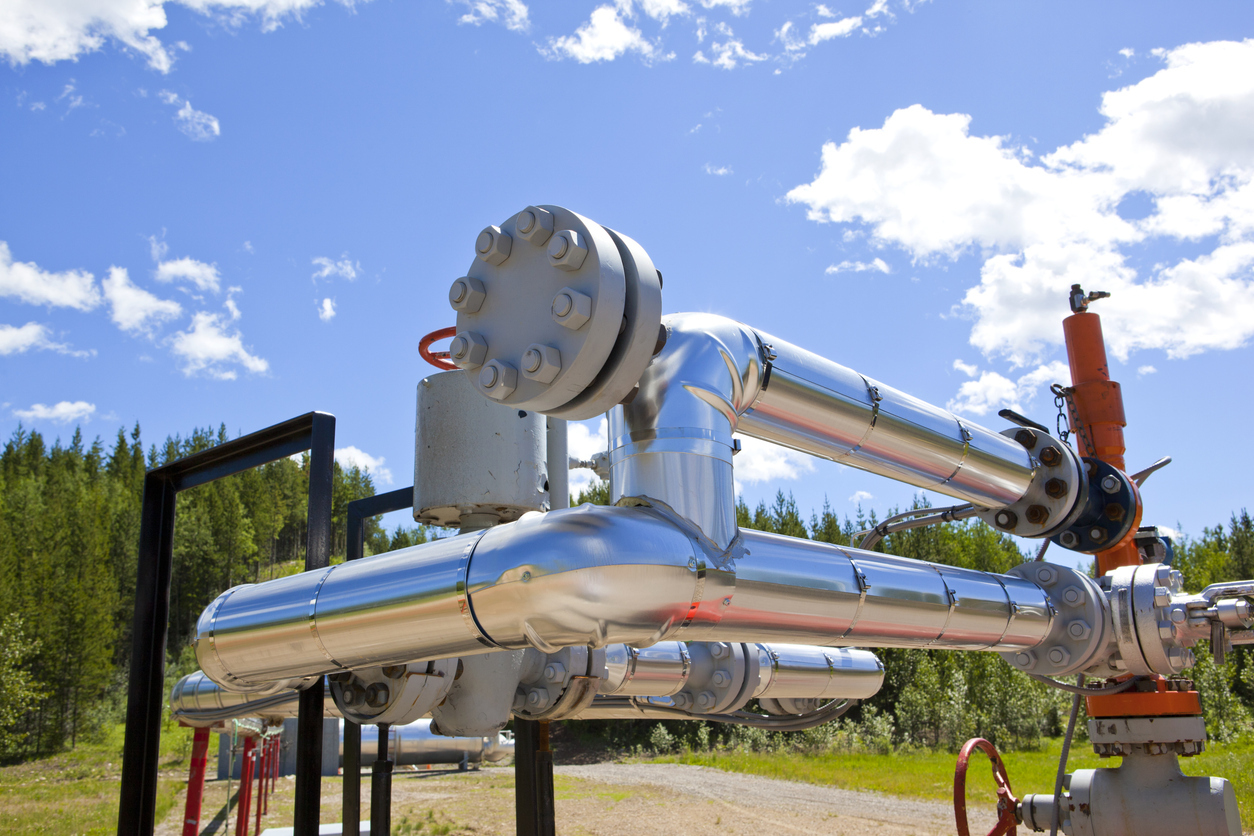
Picture this: a vast Alberta landscape dotted with oil rigs, where invisible gases once escaped freely into the sky, contributing to a warming planet. Now, Canada’s government has stepped in with bold new rules to curb that. Announced just weeks ago, these standards aim to slash methane emissions dramatically, balancing environmental urgency with economic realities. As someone who’s trudged through those fields chatting with workers, I can tell you—this shift feels both necessary and overdue.
The Background on Methane in Canada’s Energy Landscape
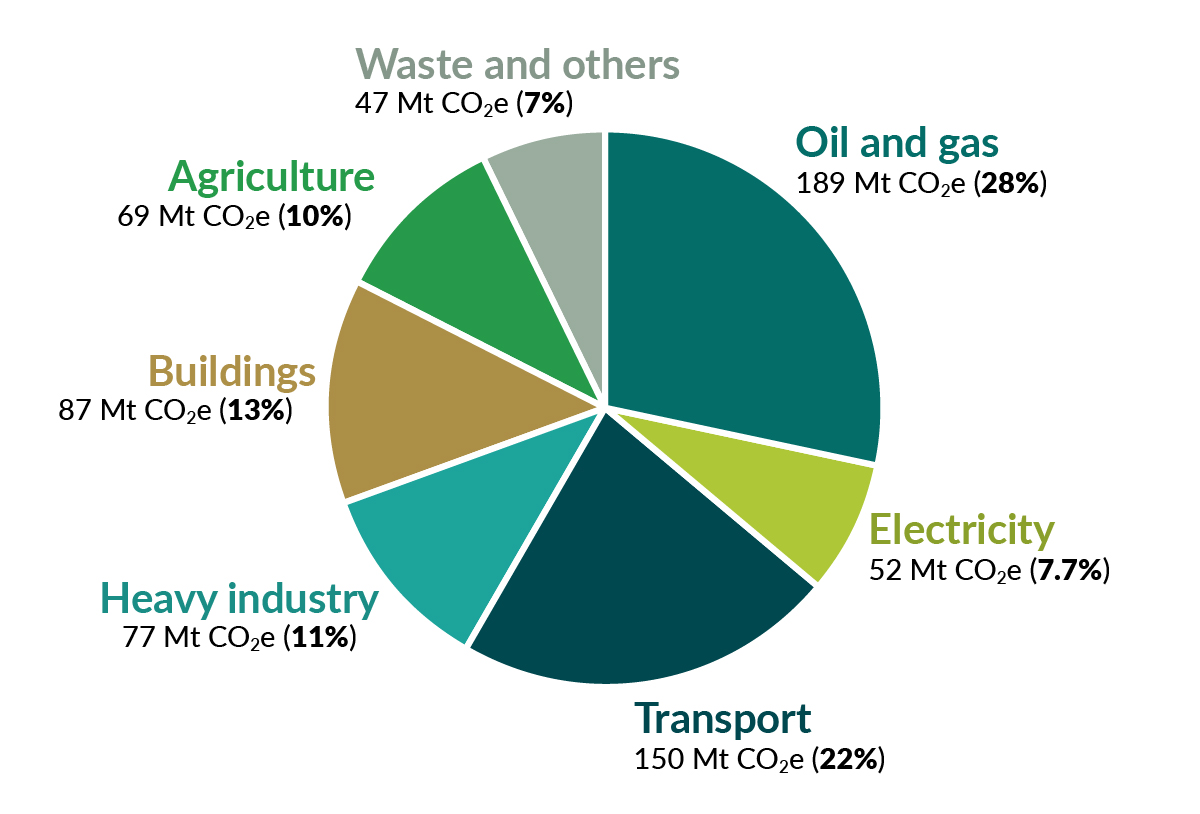
Methane might sound like a sneaky villain from a sci-fi flick, but it’s a real powerhouse in climate change, packing 84 times the punch of CO2 over 20 years. In Canada, the oil and gas sector accounts for about half of all methane releases, mostly from venting, flaring, and leaks. Back in 2018, initial regulations kicked off reductions, cutting emissions by around 45% already. But with global pressures mounting, it was time for an upgrade.
Why Methane Matters More Than Ever
Think of methane as that guest who overstays their welcome at a party—potent and problematic if not managed. It not only accelerates warming but also forms ground-level ozone, harming lungs and crops. Reducing it offers quick wins: cleaner air, fewer health issues, and a nod to international pledges like the Global Methane Pledge. I’ve seen farmers near extraction sites worry about yields; these rules could ease that burden.
The Big Announcement: What Happened on December 16, 2025
In Vancouver, Environment Minister Julie Dabrusin unveiled the Enhanced Methane Regulations, fulfilling promises from Budget 2025’s Climate Competitiveness Strategy. It’s a pivotal move for Canada, the world’s fourth-largest oil producer, to lead in clean energy. The event highlighted how these standards will drive innovation while keeping production humming. Dabrusin emphasized it’s about competitiveness, not just compliance—smart words in a sector facing global scrutiny.canada.ca
From Draft to Final: The Evolution
The journey started with drafts under previous leadership, aiming for 75% cuts by 2030 but facing industry pushback for being too aggressive. After consultations, the final version softens timelines slightly, projecting 72% reductions by 2030 and full 75% by 2035. It’s a compromise that keeps ambition high without derailing growth. One insider quipped it’s like dieting—you want results, but not starvation.reuters.com
Key Details of the New Standards
These regulations build on the 2018 framework, targeting onshore production, gas processing, LNG facilities, and transmission. They focus on venting bans and leak fixes, ensuring methane doesn’t slip away unchecked. Phased in from 2028, they give operators time to adapt. It’s not just rules; it’s a roadmap to a lower-carbon future for the industry.canada.ca
Targets: Ambitious Yet Achievable
The core goal? Slash emissions by 72% from 2012 levels by 2030, hitting 75% by 2035. This translates to avoiding 304 million tonnes of CO2 equivalent from 2028 to 2040. Projections show production growing over 17% even with these curbs. It’s proof that green policies don’t have to mean red ink.kathairos.com
Grok can make mistakes. Always check original sources.
Timelines: A Phased Approach
Starting January 1, 2028, facilities must comply, with full venting bans by 2030. New operations post-2028 can’t vent at all from day one. This staggered rollout lets companies invest wisely. Delays from drafts mean we’re playing catch-up, but better late than never, as my old boss used to say.kathairos.com
Requirements for Operators
No more routine venting—operators must capture or destroy methane, with exceptions only for safety or emergencies. Leak detection ramps up with comprehensive inspections using approved tech. Repairs follow strict timelines based on emission rates. It’s hands-on stuff, demanding vigilance but promising efficiency gains.kathairos.com
Strengthening Leak Detection and Repair (LDAR)
Facilities need annual screenings, plus ground-based or aerial surveys. Continuous monitors could become the norm for big sites. I recall a technician showing me a drone spotting leaks—it felt like sci-fi, but it’s real and required now. This LDAR boost ensures small issues don’t balloon.canada.ca
Compliance Pathways: Flexibility Built In
Operators choose: prescriptive rules with set actions or performance-based, meeting intensity limits like 0.20% for production sites. The latter allows custom plans with robust monitoring. It’s like picking your adventure—standard path or DIY, as long as you reach the goal.kathairos.com
Prescriptive vs. Performance-Based
Prescriptive means ban venting and fix leaks per schedule. Performance lets you innovate to hit targets, backed by data. Many will opt for the latter for cost savings. A friend in the sector joked it’s like choosing between a recipe and freestyling dinner—both work if the meal’s good.kathairos.com
Alignment with Provinces
Federal rules set the floor, but equivalency agreements let provinces tailor, like Alberta’s MOU for 75% by 2035. B.C. and Saskatchewan may update theirs. This federal-provincial dance ensures unity without overreach. Alberta’s quick deadline by April 2026 keeps things moving.kathairos.com
The Canada-Alberta MOU Spotlight
Signed November 2025, it commits to equivalency, allowing provincial tweaks while meeting federal aims. It’s a win for regional needs, but watchdogs worry about loopholes. In my experience covering these, collaboration beats conflict every time.kathairos.com
Economic Impacts: Jobs, Costs, and Growth
Analysis shows minimal drag—a 0.2% dip in production growth from 2025-2035, with GDP impact at 0.01%. But positives abound: 34,000 jobs in clean tech from 2027-2040. Costs average $48 per tonne reduced, making it a bargain. Recovered gas could save billions in waste.canada.ca
| Economic Aspect | Projected Impact | Details |
|---|---|---|
| Job Creation | 34,000 (2027-2040) | In methane abatement and clean tech sectors.edf.org |
| Production Growth | +17% (2019-2030) | Despite regulations, output rises. |
| Cost per Tonne | $48/CO2e | Affordable abatement. |
| GDP Impact | -0.01% (2025-2035) | Negligible overall. |
| Revenue from Recovered Gas | $2.2B+ saved | Since 2021 announcement.edf.org |
Weighing the Financial Pros and Cons
Pros: Boosts clean tech exports, creates high-wage jobs, cuts waste. Cons: Upfront costs for equipment, potential short-term hurdles for small operators. Funding like Alberta’s program covers 50% of costs, softening the blow. It’s an investment, not an expense—think long-term savings.climateinstitute.ca
Environmental and Health Benefits
Beyond climate, expect $36.3 billion avoided in damages and $257 million in health perks from less ozone and VOCs. Fewer asthma cases, better crop yields. Methane’s global toll includes half a million deaths yearly; Canada’s cuts help worldwide. Emotionally, it’s about leaving a healthier planet for kids—hits home for me as a parent.canada.ca
Broader Climate Wins
These rules support net-zero by 2050, aligning with IEA calls for swift action. It’s a step toward energy leadership, proving Canada can produce responsibly. Imagine cleaner skies over the Prairies—worth the effort.canada.ca
Comparison with Global Standards
How does Canada stack up? The U.S. EPA rules aim for 80% cuts by 2030, EU focuses on imports. Canada’s 72% by 2030 is competitive but not tops.
| Country/Region | Reduction Target | Timeline | Key Features |
|---|---|---|---|
| Canada | 72% (from 2012) | By 2030 | Venting ban, LDAR strengthening.edf.org |
| USA | 80% | By 2030 | Fees on excess emissions. |
| EU | 30% overall | By 2030 | Import standards for low-methane gas. |
| Norway | Near-zero | Ongoing | Tech-heavy approach. |
Lessons from Abroad
Norway’s success with tech shows what’s possible; Canada could borrow more. The comparison highlights strengths like flexibility, but gaps in ambition persist.pembina.org
Technologies Driving Compliance
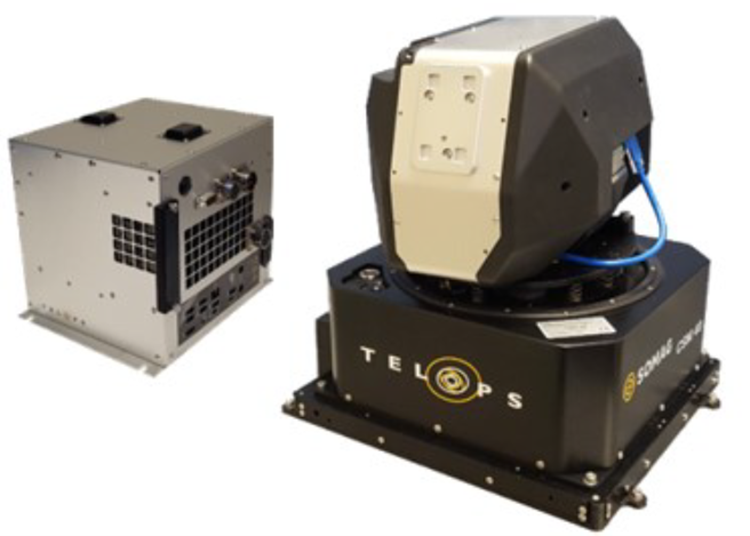
From drones to satellites, innovations abound. Continuous monitors and AI detect leaks fast. Over 130 Canadian firms specialize in abatement, exporting globally. During a site visit, I watched a laser tool pinpoint emissions—mind-blowing efficiency.canada.ca

Best Tools for Methane Management
- Drones and Aerial Surveys: Quick coverage of large areas.
- Continuous Emission Monitors: Real-time data for performance paths.
- Capture Systems: Turn vented gas into usable fuel. These make compliance feasible and profitable.kathairos.com

People Also Ask
Diving into common queries from Google searches, here’s what folks are curious about.
What are the new methane regulations in Canada?
They mandate cuts in oil and gas emissions through venting bans and leak repairs, effective 2028. Aimed at 72% reduction by 2030.cbc.ca
How will these standards affect the oil and gas industry?
Minimal production impact, but boosts jobs and innovation. Costs are low, benefits high.aljazeera.com
What is the timeline for implementation?
Phased from 2028, full bans by 2030. Gives time for prep.youtube.com
What benefits do methane reductions bring?
Climate protection, health improvements, economic savings. Quickest way to curb warming.climateinstitute.ca
Where to Get More Information
Check the official government site for full regs: Environment and Climate Change Canada. Industry groups like CAPP offer guides. For tools, explore firms like Kathairos for abatement solutions.
Best Tools for Compliance
Opt for certified monitors from Canadian innovators. Programs like Emissions Reduction Alberta fund up to 50%. Start with audits to baseline emissions.kathairos.com
FAQ
How do the new standards differ from 2018 rules?
They strengthen LDAR and ban venting outright, targeting deeper cuts.canada.ca
What if operators can’t meet targets?
Fines apply, but pathways offer flexibility. Equivalency eases provincial burdens.
Are there subsidies for compliance?
Yes, like Alberta’s program covering half costs up to $1M.kathairos.com
How does this impact everyday Canadians?
Cleaner air, job growth, stable energy prices—wins all around.
Will this affect gas prices?
Unlikely; recovered gas offsets costs, keeping supply steady.
Conclusion
Canada’s new methane standards mark a thoughtful stride toward sustainability in oil and gas. By blending ambition with practicality, they position us as leaders. From my chats with folks on the ground, there’s optimism amid challenges. Let’s embrace this for a cooler, healthier future—it’s not just policy; it’s progress.