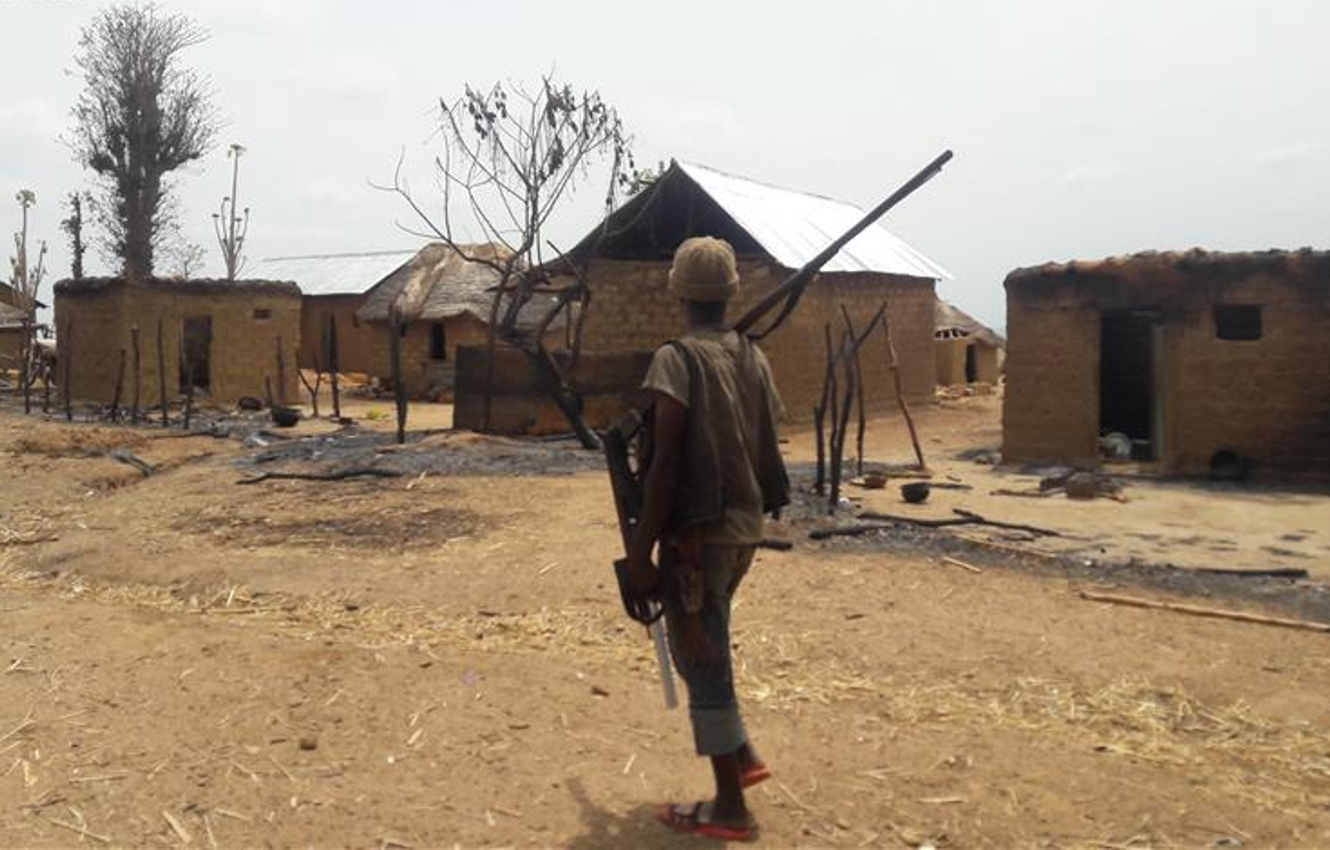
On the evening of January 3, 2026, as the sun dipped low over the dusty paths of Kasuwan-Daji village in Niger State’s Borgu local government area, life seemed ordinary. Families gathered for meals, traders wrapped up at the local market, and children played in the fading light. Then, without warning, gunmen stormed in—firing indiscriminately, setting stalls ablaze, and dragging people into the night. By morning, at least 30 villagers lay dead, several others were abducted, and a community was left in ruins.
This wasn’t a random act of violence. Residents had spotted suspicious movements in nearby areas for about a week, but help never came in time. The attackers, believed to be armed bandits operating from hideouts in the Kainji Lake National Park forest, looted food, burned the market, and vanished with their captives. Police confirmed the death toll, though local voices, including a spokesman for the Catholic Diocese of Kontagora, put it higher—over 40, with children among the kidnapped. Survivors, too terrified to return for the bodies, whispered questions we’ve all heard before: How much longer can this go on?
I’ve followed stories like this for years, not just as a journalist but because they hit close to home. Growing up in a rural area myself, I remember the unease when rumors of raids spread. One night, a distant village faced something similar—gunshots echoing, families fleeing into the bush. We were lucky; it passed us by. But for the people of Kasuwan-Daji, luck ran out. It’s heartbreaking to think of parents searching for missing kids or widows burying loved ones in haste. These aren’t statistics; they’re real lives torn apart.
What Happened in Kasuwan-Daji Village?
The raid struck around 4:30 p.m. on Saturday, catching many at the bustling Kasuwan-Daji market in Demo village.
Gunmen arrived from forest paths, opened fire on anyone in sight, torched market stalls and homes, looted goods, and herded captives toward the woods. The assault lasted hours—up to three, by some accounts—leaving bodies scattered and survivors in shock.
Police spokesman Wasiu Abiodun said joint security teams were deployed for rescues, but residents disputed this, saying no forces arrived by Sunday. One anonymous villager told reporters: “The bodies are still there. Without security, how can we go recover them?”
This attack echoes a pattern in remote northern communities, where limited roads and vast forests give attackers the upper hand.
The Broader Crisis: Banditry in Northern Nigeria
Banditry isn’t new, but it’s exploded in the northwest and north-central regions over the past decade.
What started as cattle rustling and farmer-herder clashes has morphed into organized crime: mass kidnappings, village raids, and extortion. Gangs, often called “bandits,” operate from ungoverned forest reserves, armed with sophisticated weapons smuggled across porous borders.
In Niger State alone, this raid follows a November 2025 mass abduction of over 300 schoolchildren and teachers from a nearby Catholic school in Papiri. Across the region, thousands have been killed or displaced in recent years.
Key Drivers of Banditry
Several factors fuel this violence:
- Resource Conflicts: Competition over land and water between farmers and herders, exacerbated by climate change and desertification.
- Ungoverned Spaces: Vast forests like Kainji National Park serve as safe havens, hard for security forces to patrol.
- Economic Desperation: Poverty, unemployment, and illegal mining draw young men into gangs for quick gains.
- Proliferation of Arms: Easy access to weapons from regional conflicts makes groups deadlier.
It’s a vicious cycle—attacks displace farmers, leading to food shortages, which breed more resentment and recruitment.
Human Impact: Stories Behind the Numbers
Beyond the headlines, these raids devastate lives in profound ways.
Families lose breadwinners, children grow up traumatized, and entire villages empty out. One survivor from a similar attack years ago shared with me how his community never fully recovered—farms abandoned, schools closed, trust eroded.
In Kasuwan-Daji, abducted children face uncertain fates: ransom demands, forced labor, or worse. Women and girls are especially vulnerable to gender-based violence. And let’s be honest, the fear lingers long after—like a shadow that makes every motorcycle sound suspicious.
There’s a grim irony here: Nigeria, Africa’s most populous nation, rich in resources, yet remote villages feel abandoned. It’s almost absurd how bandits operate with such boldness, but the humor fades when you consider the human cost.
Government Response and Challenges
Authorities have launched operations, airstrikes, and even amnesty programs, but results are mixed.
Military deployments stretch thin across multiple fronts—banditry here, insurgency in the northeast. Corruption allegations and poor coordination hamper efforts. In 2025, thousands died despite intensified campaigns, highlighting the need for better intelligence, community policing, and addressing root causes like poverty.
Pros of Current Approaches:
- Targeted airstrikes have neutralized some kingpins.
- Vigilante groups provide local knowledge.
Cons:
- Over-reliance on force alienates communities.
- Slow response times in rural areas.
| Approach | Pros | Cons |
|---|---|---|
| Military Operations | Neutralizes high-value targets | Civilian casualties, overstretched forces |
| Amnesty Programs | Encourages defections | Risk of reoffending, perceived weakness |
| Community Vigilantes | Local intelligence, quick response | Potential for abuses, arming civilians |
| Development Initiatives | Addresses poverty roots | Slow impact, funding issues |
A balanced strategy—combining security with economic investment—seems essential.
Comparison: Banditry vs. Other Nigerian Insecurities
Nigeria faces multiple threats, but banditry stands out for its criminal focus.
- Banditry: Primarily economic (ransom, looting), affects rural northwest/central.
- Boko Haram/ISWAP: Ideological jihadism, northeast-focused, targets symbols of authority.
- Farmer-Herder Clashes: Communal, often ethnic/religious, Middle Belt.
Banditry causes more widespread abductions, while insurgencies involve suicide bombings. Overlaps exist, with some bandits aligning with jihadists for arms or ideology.
People Also Ask
Here are common questions about bandit attacks in northern Nigeria:
What causes banditry in northern Nigeria? Rooted in farmer-herder conflicts, poverty, and ungoverned spaces, it has evolved into organized crime fueled by illegal mining and arms trafficking.
How many people have been killed by bandits in Nigeria recently? In the first half of 2025 alone, over 2,200 deaths were attributed to bandits and related violence, surpassing 2024’s total.
Are bandits linked to terrorism? Some groups have ties to jihadists like ISWAP for weapons or ideology, but most are driven by profit rather than religion.
What is the government doing about banditry? Operations include military raids, airstrikes, and negotiations, though critics call for more focus on development and policing reforms.
Why are remote villages most affected? Limited security presence, poor infrastructure, and forest hideouts make them easy targets.
FAQ
What exactly happened in the Kasuwan-Daji attack? Gunmen raided the village market on January 3, 2026, killing at least 30, abducting others (including children), burning structures, and looting goods.
Who are the “bandits” in Nigeria? Armed gangs, often Fulani-linked, engaging in kidnapping for ransom, cattle rustling, and raids from forest bases.
Is this attack linked to religion? Reports suggest it’s criminal banditry, not targeted religious persecution, though some narratives highlight Christian victims.
How can individuals help affected communities? Support reputable NGOs providing aid, advocate for better security policies, or donate to displacement relief efforts.
Will these attacks ever stop? With sustained efforts addressing poverty, governance gaps, and arms flow, progress is possible—but it requires political will and community involvement.
This tragedy in Kasuwan-Daji reminds us that behind every raid are shattered families yearning for peace. I’ve seen resilient communities rebuild before, but it takes time, support, and real change. For the survivors burying their dead and praying for the abducted, hope feels distant today. Yet stories like theirs demand we keep asking: When will remote Nigeria feel safe again?